



01
Tooth extraction
When preserving a tooth is not possible.
Assessment for extractions and oral surgical procedures.
Arrange a consultation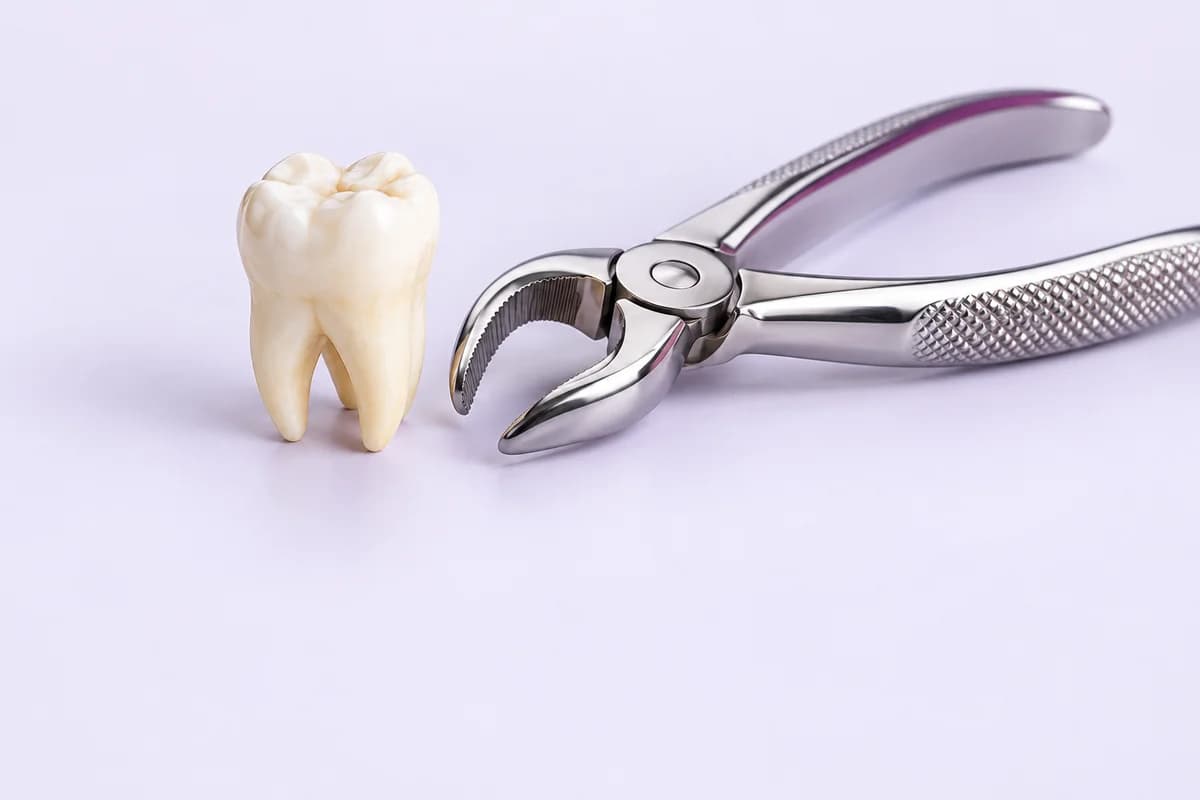
Oral surgery includes procedures involving teeth, roots and surrounding tissues. It may be considered for an unrestorable tooth or a wisdom tooth causing problems.
Pain alone does not determine the need for extraction. The dentist assesses whether the tooth can be treated and how its roots relate to nearby structures.
Before surgery, imaging, root positions and their relationship to nerves or the sinus are reviewed. Under local anaesthesia, the tooth is loosened and removed; an impacted tooth may require a gum incision or sectioning. The site is cleaned and stitches placed when needed. Before leaving, you receive instructions on wound care, eating, follow-up and how to contact the team if concerns arise.
You receive guidance on the wound, eating and review. Persistent bleeding or sudden deterioration requires contact with the team. Do not stop prescribed medication without medical advice.
Your plan and quotation are determined after examination. Complexity, materials, preliminary treatment and follow-up visits affect timing and cost. Ask for a written plan explaining what is included.
Not necessarily. The decision depends on the problems they cause, their position and the risks of surgery.
Share your medication, allergies and ongoing medical treatment. This helps planning; do not change medication yourself to prepare.
It depends on the procedure and necessary reviews. If travelling from abroad, confirm your stay with the team before booking the return trip.
Bring your medication list and any available dental examinations. Note your concerns and questions; your dentist will decide whether further investigations are needed.
Arrange a consultation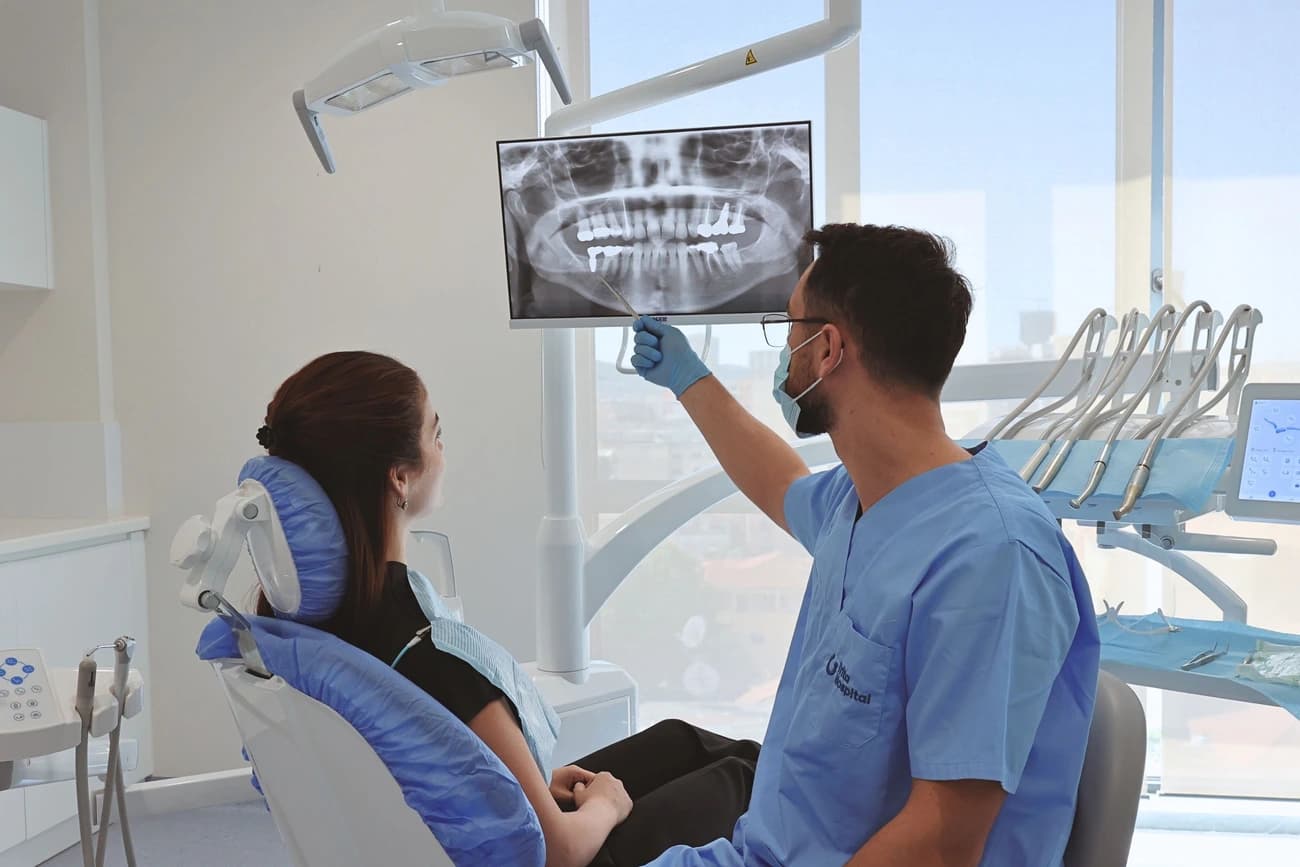
Tell us what is on your mind. Let’s find the right next step together.
Arrange a consultation